
The turkey isn’t even in the oven yet, but American travellers are already facing the heat ahead of Thanksgiving — thanks to flight cancellations, rising ticket prices, and long airport queues due to the longest US government shutdown in history. The disruptions have transformed holidays for American travellers into absolute logistical nightmares.
To worsen matters, the shutdown is likely to continue through Thanksgiving, which falls on November 27 this year.

Starting Friday, the Donald Trump government in the US is set to reduce air traffic at 40 airports across the US if the shutdown persists, potentially worsening travel chaos during one of the busiest periods of the year. Some airlines have begun cancelling select flights in short increments, following the Federal Aviation Administration’s order to cut thousands of flights across the nation from Friday.
Shutdown 2025. Houston airport- 3 hr wait. Every member of Congress should enjoy the joy of going thru TSA this week. Very short vid. Watch it. pic.twitter.com/Gs2D9XOPWR
— Blake (@BlakeR2025) November 6, 2025
A Shutdown Like No Other
On October 1, 2025, the US federal government entered a shutdown that would ultimately dwarf all previous funding gaps in duration. On November 5, the impasse officially became the longest in US history, surpassing even the infamous 2018-2019 shutdown that lasted 35 days. This time around, the political standoff centres on disagreements between Republicans and Democrats over federal spending levels, with key sticking points including cuts to foreign aid and healthcare insurance subsidies.
The timing, from a traveller’s perspective, couldn’t be worse. Unlike the 2018 shutdown that struck just before Christmas, this one is coinciding directly with Thanksgiving — historically one of the busiest travel periods of the entire year.
No paycheck yet for air traffic controllers, security personnel
News agency Reuters, citing data from the Department of Transportation, reported that around 13,000 air traffic controllers and 50,000 TSA officers have been working without paychecks since October 1. They’re the backbone of America’s flight operations, performing work so critical that federal law classifies them as “essential”. Any lapse in their jobs could cost human lives.
5 hours in TSA line at Houston. Govt shutdown means agents aren’t even getting paid. Respect to them for still showing up.
And bummer, missed the flight even after getting to the airport 4 hours earlier. 😭 pic.twitter.com/WxHBwhGwKX
— Varun Guruvugari (@VG_Bro) November 3, 2025
The situation was described as dire by those working in these roles. The psychological toll is real. Exhausted workers who haven’t received paychecks in weeks are increasingly calling in sick, seeking side gigs to pay rent, and even resigning. Between 20% and 40% of controllers at the nation’s 30 largest airports were already absent from work by early November, according to the FAA. For a system designed to operate at near-capacity with every controller present and sharp, this is a unfathomable crisis.
Nick Daniels, president of National Air Traffic Controllers Association, was quoted by CNN as saying: “Controllers are resigning every day now because of the prolonged shutdown. We hadn’t seen that before. And we’re also 400 controllers short — shorter than we were in the 2019 shutdown.”
Flight reductions hit the skies: The 10% cuts begin
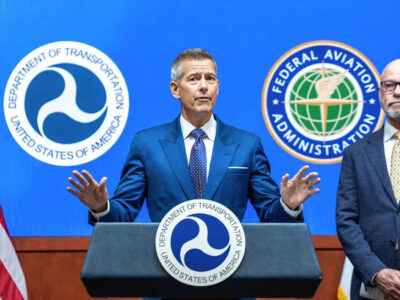
On November 5, Transportation Secretary Sean Duffy announced something unprecedented: the FAA would mandate a 10% reduction in scheduled air traffic at 40 major airports across the country. The cuts would begin Friday, November 7, starting at 4%, 6% on November 11, and reaching the full 10% within next Friday (November 14) if the shutdown persisted.
Story continues below this ad
“This will lead to more cancellations, but we are going to work with the airlines to do this in a systematic way,” Duffy remarked at a press briefing. Reuters quoted Cirium, an aviation analytics firm, that these reductions would affect as many as 1,800 flights daily and eliminate over 268,000 airline seats from operation.
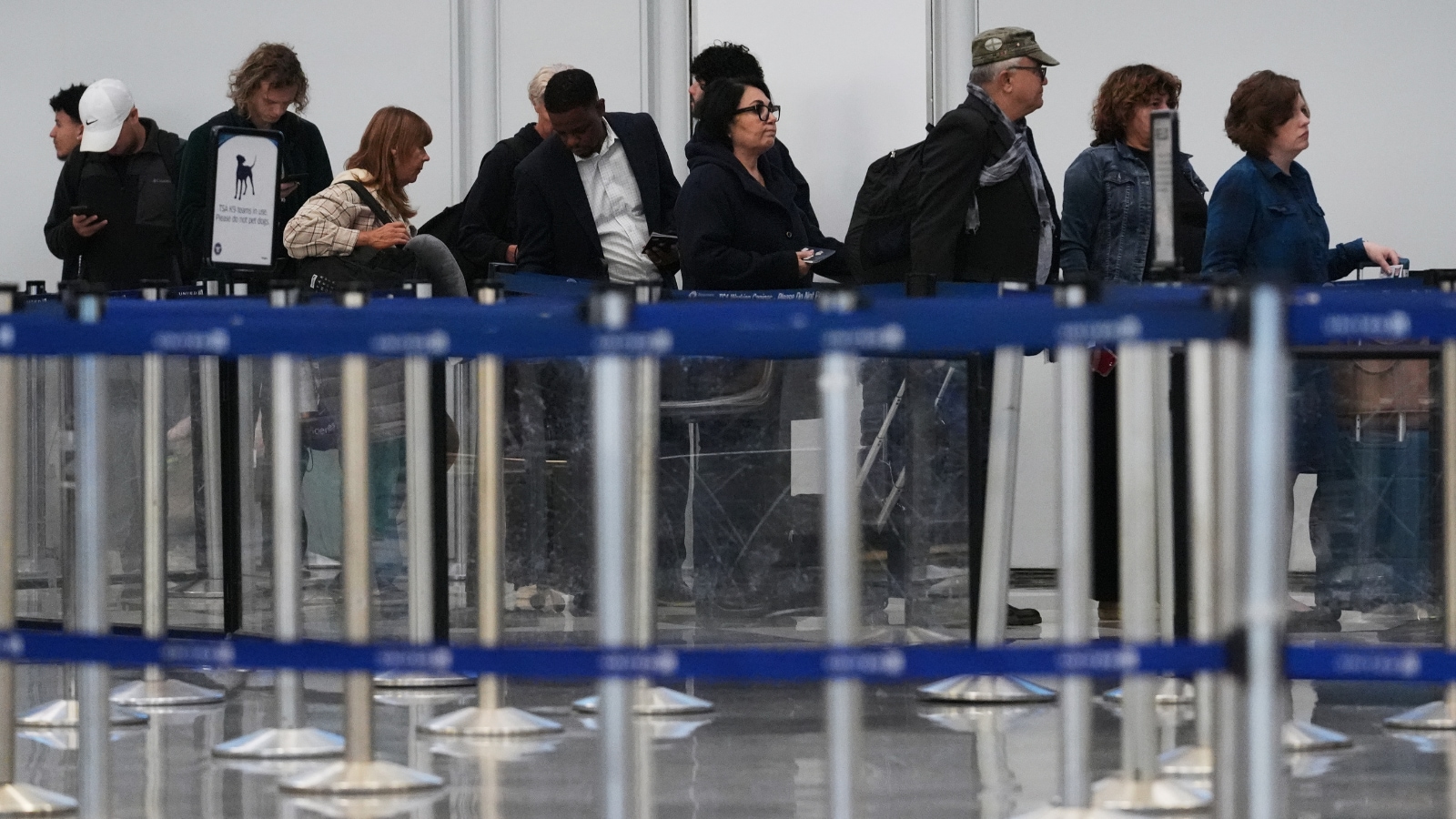 Flyers are having to wait 4-5 hours in queues as airports deal with the unprecedent crisis triggered by the longest shutdown in US history (Photo: AP)
The 40 affected airports include virtually every major travel hub in America: New York’s JFK, LaGuardia, and Newark; Los Angeles; Chicago O’Hare; Atlanta Hartsfield-Jackson; Miami; Houston; Denver; and dozens more. For travellers trying to reach their holiday destinations, it means potential cancellations, astronomical wait times, and the distinct possibility of being stranded.
Ticket prices were already climbing — now they’re skyrocketing
Before the shutdown even took full effect on flight operations, airfare prices were already problematic. The shutdown-induced disruption has severely impacted holiday plans for the airlines as well.
The industry was gearing up for a record headcount in October. Major carriers lie Southwest and American Airlines each added more than 100,000 additional seats for the Thanksgiving season. Now, 100,000-268,000 seats are likely to be removed across airlines.
LaGuardia Airport flights as of Now
Starting tomorrow FAA cutting flights by 10% out of New York airports & others across country cause of government shutdown
Air traffic controllers are calling out sick. Working 6 days with mandatory O-T & not getting paychecks
Full story… pic.twitter.com/GLcrYapVQH
— Linda Schmidt (@LSchmidtFox5) November 6, 2025
The CEOs of Delta Airlines and United Airlines were also optimistic about a “great holiday season”. But now, the flight cancellations would mean refunds for passengers who choose not to rebook.
Story continues below this ad
Travel data from Going.com released in September showed domestic Thanksgiving airfares were already averaging $751 per ticket, representing a 10% increase compared to 2024. Winter holiday fares came in at $685 roundtrip, up 7% year-over-year.
For international travel, there was a small bright spot: Thanksgiving fares were down 1% compared to 2024, averaging $1,241. However, winter holiday international flights were up 6%, averaging $1,740 roundtrip.
The data suggests that flyers were already facing sticker shock before the flight cuts began. Now, with 10% of capacity disappearing at major airports, prices are expected to surge even higher. As flight availability plummets, dynamic pricing algorithms will kick into overdrive driving up prices further.
Why this is worse that 2018-19 shutdown
Historically speaking, this isn’t unprecedented. During the 2018-2019 shutdown, which lasted 35 days and coincided with the Christmas travel period, airlines reported significant operational disruptions. However, that shutdown struck later in December, allowing some of the season to pass before the worst hit.
Story continues below this ad
This time, Thanksgiving is the immediate target—and with the shutdown having already stretched past the 2018-2019 duration, there’s no guarantee it will end before the December holidays either. The last massive spike was in 2022, when Covid-fatigued people took full advantage of the removal of pandemic restrictions.